
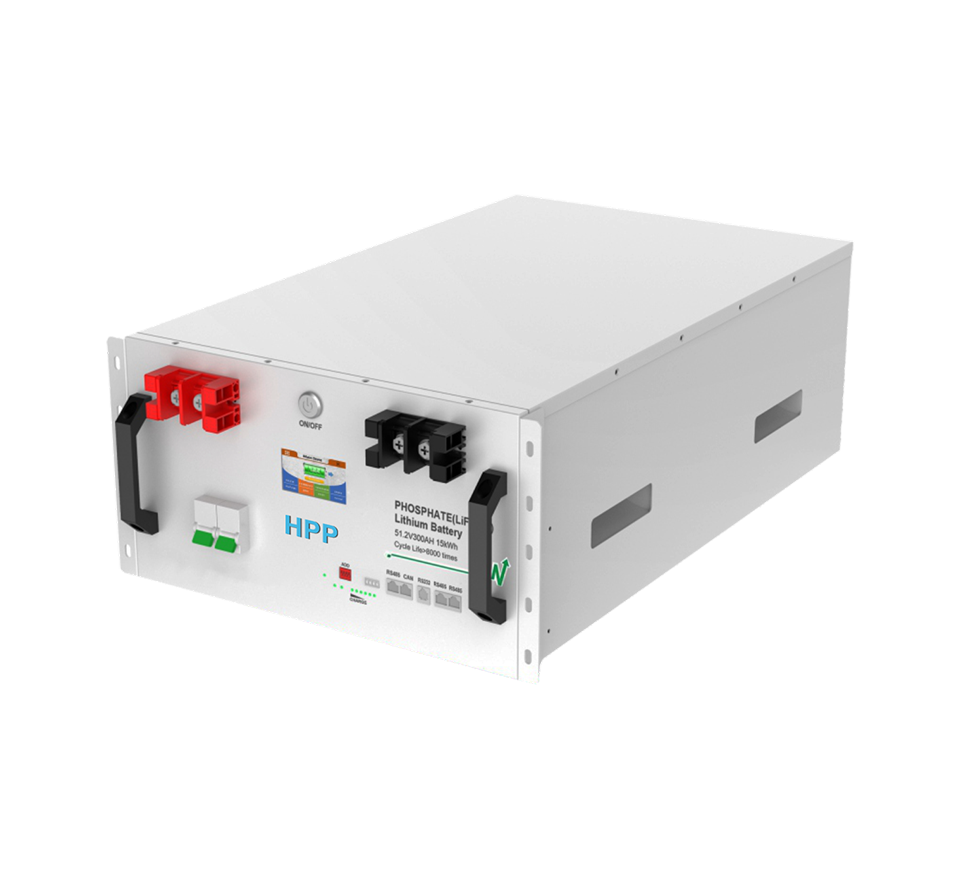
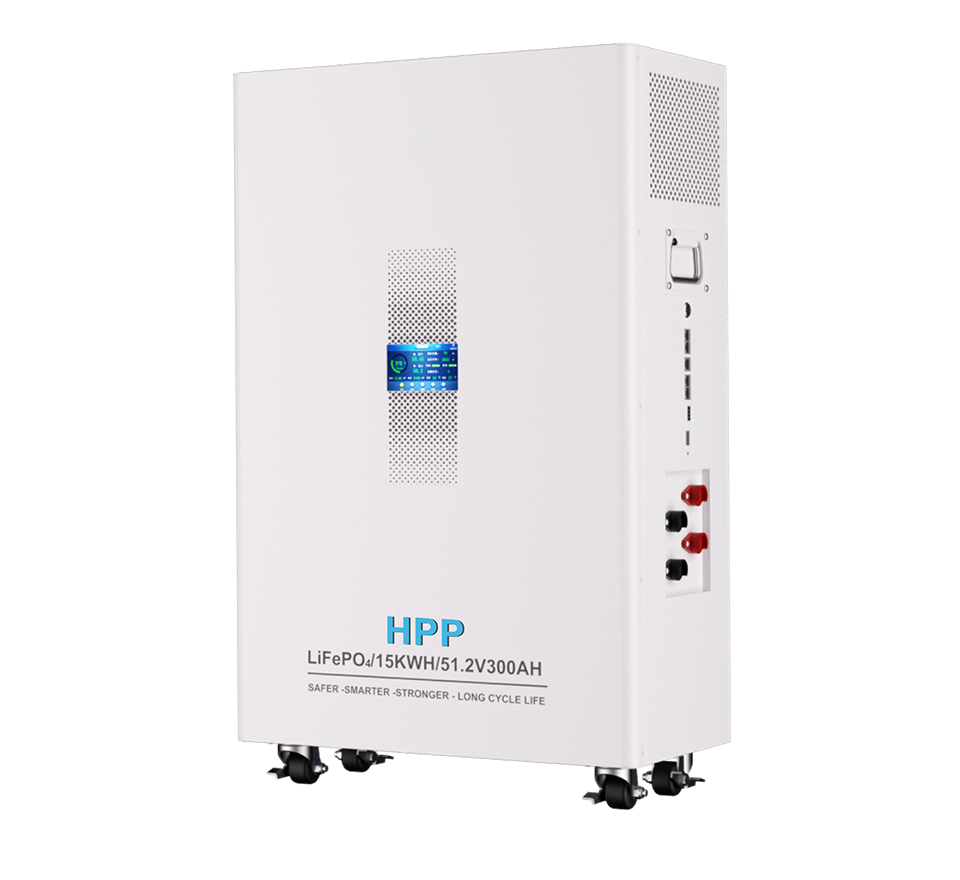
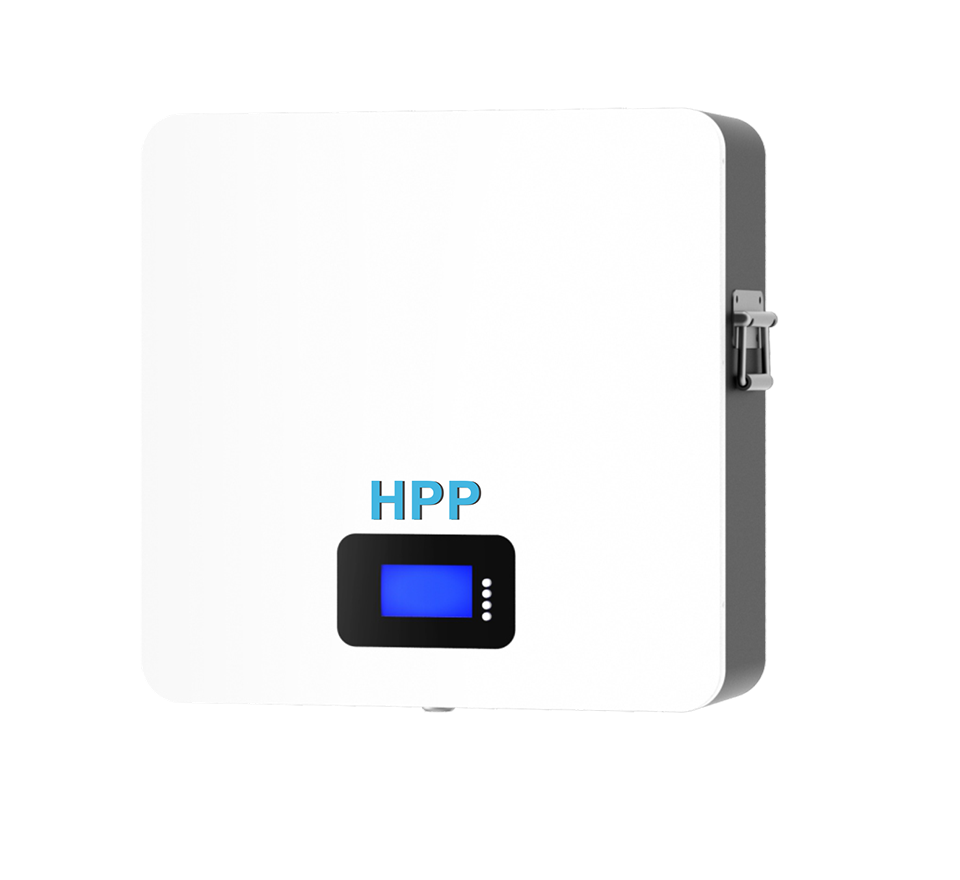
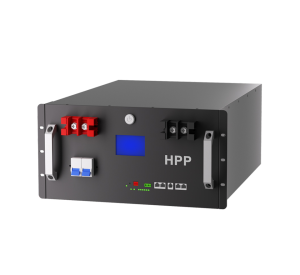

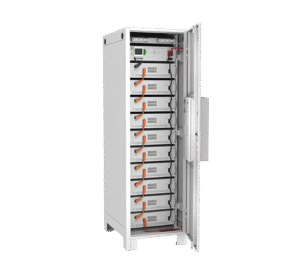
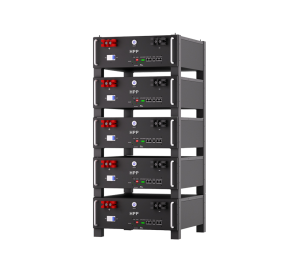
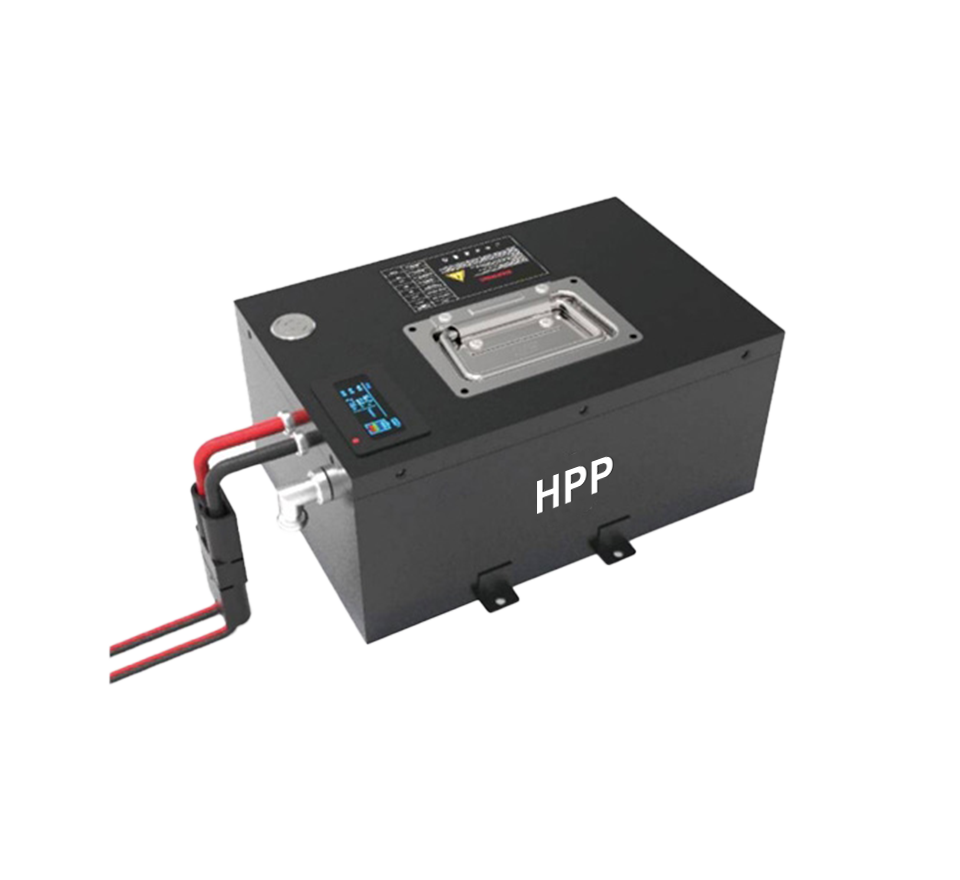
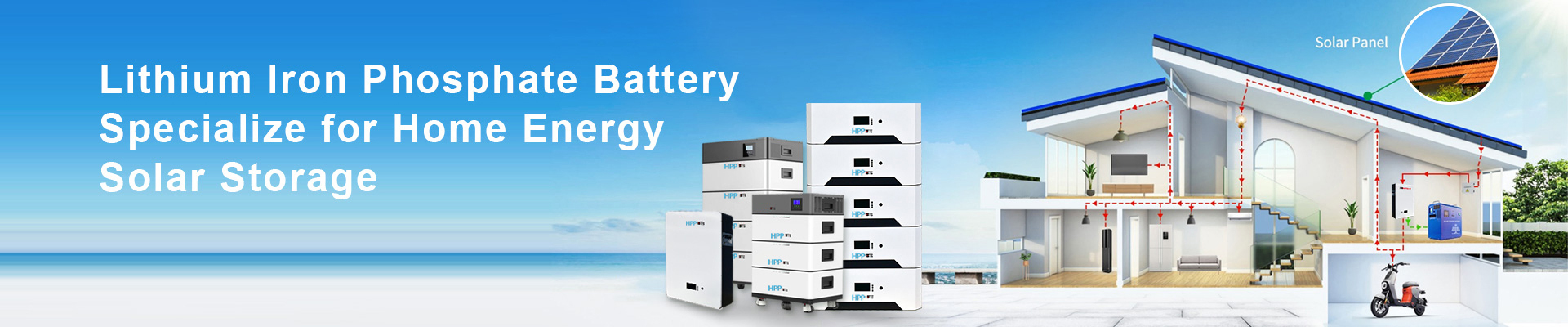
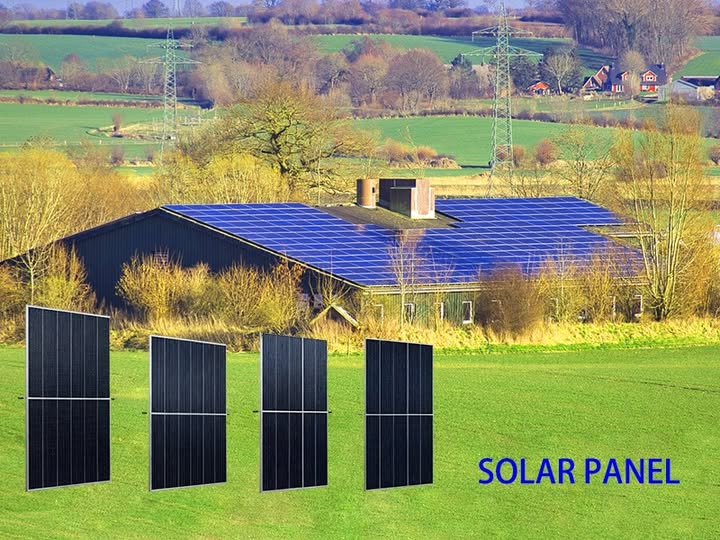
In the rapidly evolving landscape of renewable energy, solar panels have become the cornerstone of clean power generation, with ultra-high power variants leading the charge toward greater efficiency and sustainability. Among these, the 500W, 550W, 600W, and 670W+ ultra-high photovoltaic solar panels stand out as game-changers, delivering exceptional energy output to meet the escalating demands of residential, commercial, and utility-scale energy storage projects. When paired with advanced Battery Management Systems (BMS), these high-performance solar panels form a robust, safe, and efficient energy storage ecosystem that maximizes the value of solar energy.
Ultra-high power solar panels, exemplified by the 500W to 670W+ range, are engineered to convert sunlight into electrical energy with unprecedented efficiency. Compared to traditional lower-power solar panels, these models leverage cutting-edge photovoltaic technologies such as larger silicon wafers, advanced cell structures, and optimized module designs. This translates to higher power density, meaning they can generate more electricity per unit area—ideal for installations where space is at a premium. Whether deployed in large-scale solar farms or rooftop systems, these solar panels significantly reduce the overall number of modules required, lowering installation costs, labor expenses, and maintenance efforts while boosting the total energy yield. For energy storage applications, their high power output ensures a steady and abundant supply of electricity to charge the battery bank, laying the foundation for reliable off-grid or grid-tied energy systems.
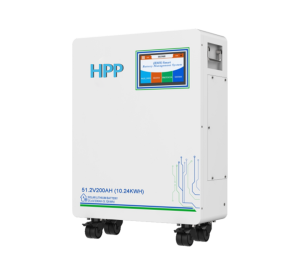
A critical component that complements the performance of these ultra-high power solar panels is the Battery Management System (BMS), a lithium battery BMS product specifically developed for the energy storage market. This BMS is designed to address the unique challenges of lithium battery energy storage, ensuring the safe and efficient operation of the entire battery group. One of its key advantages is its expandable design, which allows it to adapt to different battery configurations and scale alongside varying energy storage needs—from small residential setups to large commercial projects. Being lightweight and flexible, it simplifies installation and integration with solar panel systems, minimizing the complexity of the overall energy storage architecture.
The lithium battery BMS boasts a suite of advanced features that enhance battery performance and safety. It supports multi-machine parallel connection, enabling the integration of multiple battery modules to meet higher energy storage capacity requirements. To maintain battery health and extend lifespan, it incorporates passive balancing within each module and active balancing between modules, along with a super balancing function and customizable balancing strategies. These balancing mechanisms ensure that each battery cell and module operates at optimal levels, preventing overcharging, over-discharging, and cell imbalance—common issues that can degrade battery performance and pose safety risks.
Furthermore, the BMS offers high data collection and calculation accuracy, providing real-time insights into battery parameters such as voltage, current, temperature, and State of Charge (SoC). This precise data monitoring allows for proactive management of the battery system, optimizing charging and discharging cycles based on the energy output from the ultra-high power solar panels. Equipped with a board-level UPS (Uninterruptible Power Supply) and dual system protection, the BMS ensures uninterrupted operation even in unexpected power fluctuations and provides an additional layer of safety against potential system failures. This dual protection mechanism is crucial for safeguarding the battery group, the solar panel system, and the entire energy storage infrastructure.
The synergy between ultra-high power solar panels (500W/550W/600W/670W+) and the advanced lithium battery BMS is transformative for the energy storage sector. The solar panels deliver high-efficiency power generation, while the BMS ensures the safe, reliable, and efficient storage of that energy. Together, they enable a more sustainable and cost-effective energy solution, reducing reliance on fossil fuels and promoting the widespread adoption of renewable energy. As the demand for clean energy continues to grow, the combination of high-power solar panels and intelligent BMS technology will play an increasingly vital role in shaping the future of energy storage and sustainable power generation.